Safeguard Your Trust Administration with Top-Tier Guidance on trust meeting minutes template
Best Practices for Trust Distribution Minutes
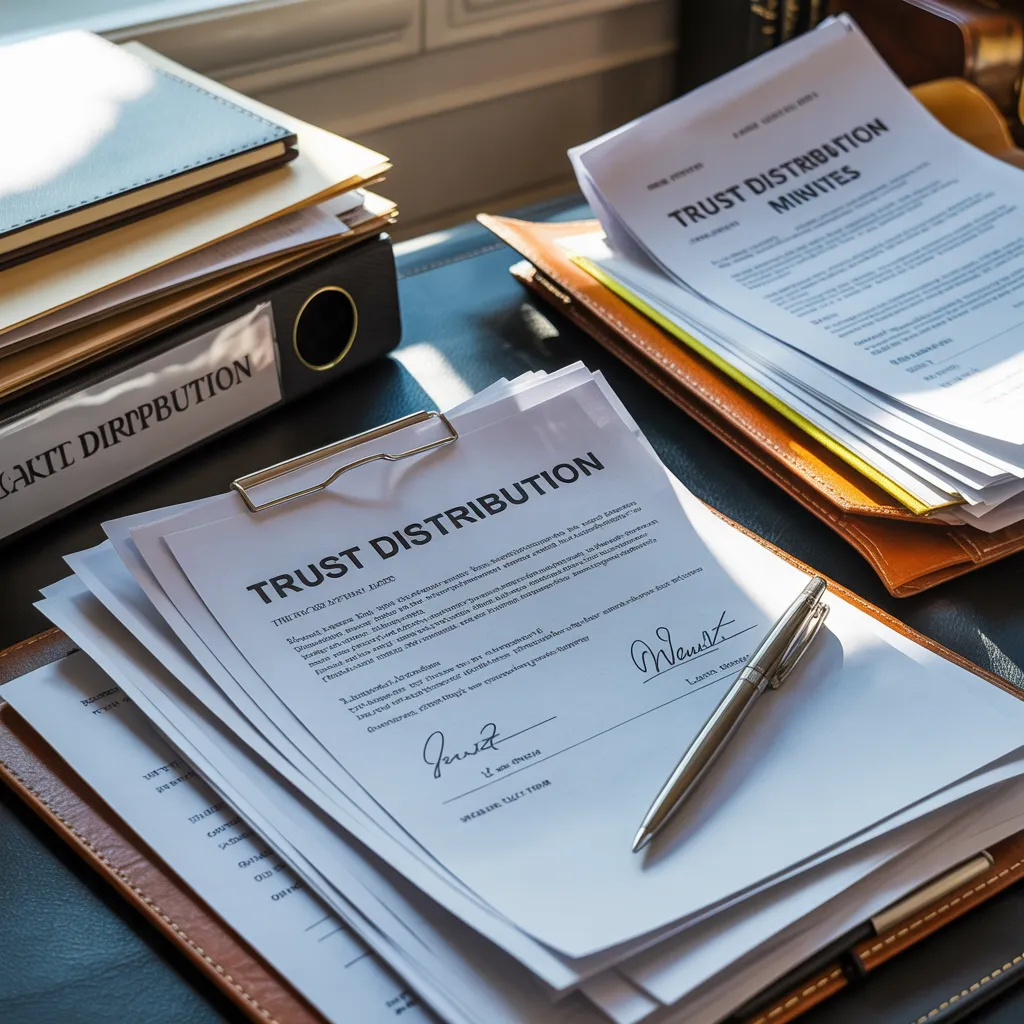
Trust distribution minutes act a vital role in proficient trust management. They work as a documented record of decisions made regarding asset distributions and maintain visibility among key parties. A well-structured tactic not only clarifies the distribution chain but also builds accountability. Conversely, many trustees overlook crucial methods that could bolster these minutes. Appreciating these best practices can greatly determine the effectiveness of trust oversight and the happiness of beneficiary parties. What are these indispensable methodologies?
Why Trust Distribution Minutes Matter: Important Benefits for Trust Administrators
Although trust distribution minutes may seem like a mere formality, they fulfill essential functions for trustees. These minutes act as official records documenting decisions made regarding distributions, ensuring transparency and accountability. By recording the reasoning behind each distribution, trustees can safeguard their interests from potential disputes or legal challenges in the future.
Furthermore, trust distribution records enable dialogue among beneficiaries and trustees, fostering trust and understanding. They provide a clear summary of the trust's financial status and distribution rationale, which can help to controlling beneficiary anticipations.
Additionally, meticulous minutes stand as a touchstone for prospective decisions, empowering trustees to ensure alignment in their actions. Ultimately, the thorough documentation of these minutes promotes upholding fiduciary liabilities, reinforcing the reliability of the trust administration process. In this respect, neglecting this approach can lead to miscommunications and issues that could have been easily avoided.
Key Parts of Trust Distribution Minutes
The essential components of trust distribution minutes hold a important role in upholding proficient management and openness. Relevant meeting participants need to be plainly identified, and thorough distribution protocols lay out a framework for judgments. Likewise, explicit documentation methods are crucial for upholding accurate records and enabling future reference.
Critical Meeting Participants
Productive trust distribution meetings depend upon the presence of key participants who enable informed decision-making. Primary participants include the trustee, who manages the distribution process, and entitled parties, whose feedback provides valuable knowledge. Legal counsel play a significant role in ensuring compliance with applicable statutes, while financial consultants offer commentary on the trust's financial stewardship and distribution consequences. Additionally, any co-trustees should be involved to maintain accountability and mutual decision-making. Concerned parties may also include family members or representatives championing the beneficiaries' interests. Each participant's particular viewpoint refines the quality of discussions, ensuring that all significant considerations are considered, ultimately leading to balanced and just trust distributions.
In-Depth Circulation Protocols
Putting in place clear distribution guidelines is paramount for effective distribution meetings for trusts. These directives should set forth the criteria for distributions, including fitness and the designated objectives for which assets may be earmarked. It is important to establish the decision-making process, describing who has the authority to confirm distributions and how decisions will be shared to recipients. Also, rules should deal with the periodicity of disbursements, guaranteeing that recipients explore have a transparent understanding of when they can plan to receive funds. By presenting a structured plan, these directives help avoid confusion and guarantee that distributions harmonize with the trust's objectives. Abiding by to these precepts builds transparency and transparency among fiduciaries and recipients equally.

Lucid Documentation Frameworks
Precise and comprehensive documentation is critical for preserving clarity in trust distribution meetings. Clear documentation frameworks should include the date, time, and location of the meeting, as well as a list of attendees. Each trust distribution discussed must be documented with precise information, including the amount distributed, the recipient, and the justification behind each decision. Additionally, any agreements or objections raised during the meeting should be documented to provide a complete picture of the discussions. It is also necessary to designate action items with deadlines to guarantee accountability. By following these documentation practices, trustees can establish a dependable record that increases transparency and enables subsequent decision processes. This organized approach ultimately reinforces the trust's governance and stakeholder confidence.
Top Tips for Creating Strong Trust Distribution Minutes
When composing efficient trust distribution minutes, lucidity is vital. A explicit purpose statement guarantees all parties grasp the intent behind the distributions, while precise details about the distributions themselves prevent misunderstandings. These elements are essential for preserving clarity and accountability in the trust administration process.
Transparent Purpose Message
A clear purpose statement serves as the basis for effective trust distribution minutes, maintaining understanding and precision throughout the document. This statement should directly outline the purposes of the trust distribution, giving background for all participants involved. By precisely stating the purpose, it builds a framework that leads discussions and decisions, eliminating ambiguity. It should be concise yet complete, showing the goals of the trust and the plans behind the distributions. Including a purpose statement not only fosters transparency but also increases accountability among trustees and beneficiaries. A clear purpose statement lays the groundwork for the meeting, allowing participants to synchronize their contributions with the overarching objectives of the trust, ultimately bringing about more productive outcomes.
Exact Distribution Particulars
Clear and unambiguous distribution details are key for successful trust distribution minutes. These details should comprise the names and relationships of beneficiaries, specific amounts or percentages to be distributed, and the date of distribution. Accurate records avoid misunderstandings and disputes, making sure all parties are informed about their entitlements. Moreover, it is advised to reference the trust document to validate the distribution decisions made. Each entry should be dated and signed by relevant parties to boost accountability. Incorporating a structured format can assist clarity, facilitating easy reference in the future. By adhering to these practices, trustees can maintain transparency, fostering trust among beneficiaries while guarding against potential legal challenges. Accurate documentation solidifies the integrity of the trust administration process.
Maintaining and Refreshing Trust Distribution Records: Best Practices
Efficient management of trust distribution records is crucial for upholding transparency and compliance. Routinely modifying these records is necessary to reflect any changes in distribution decisions, beneficiary information, or legal requirements. Implementing a systematic schedule for examining and updating records helps preserve accuracy and relevance.
Utilizing digital tools can enhance record-keeping effectiveness, allowing for easy access and retrieval of information. Secure storage solutions, both manual and digital, should be employed to safeguard sensitive data from unauthorized access.
Moreover, documentation should be clear and organized, with each entry offering sufficient detail to justify the decisions made. This includes noting the date of distributions, amounts, and the reasoning behind each decision.
Educating personnel engaged in trust management on industry standards ensures consistency and minimizes the likelihood of mistakes. By adhering to these guidelines, fiduciaries can maintain their fiduciary responsibilities effectively.
Sidestep These Ordinary Mistakes in Trust Drafting
Managing trust records requires attention to avoid common pitfalls that can undermine its integrity. One frequent mistake is failing to record decisions plainly and immediately. Poor records may lead to misunderstandings and disputes among beneficiaries. Additionally, inconsistent terminology can cause confusion; using precise, uniform language is crucial for clarity. Another typical error is neglecting to involve all relevant parties in discussions, leading to limited records and reduced transparency.
Additionally, ignoring legal requirements or updates in trust law can jeopardize the trust's validity. Neglecting to regularly examine and modify documents may also contribute to stale or incorrect data. Ultimately, not providing sufficient context for decisions can hinder subsequent trustees' comprehension of the trust's purpose. By avoiding these mistakes, trustees can guarantee that trust documentation remains robust and reliable, thereby protecting the welfare of every stakeholder.
Strengthening Communication Among Participants Through Written Notes
The act of documenting meeting minutes serves as a key means for enhancing exchange among beneficiaries in a trust. By noting down the dialogues, determinations, and action items, minutes give a precise record that can be looked up by all parties involved. This method guarantees that beneficiaries remain posted about the trust's status and the rationale behind critical decisions.
Effective minutes can foster transparency, minimizing confusion and possible conflicts among stakeholders. By sharing these documents quickly after meetings, all beneficiaries can stay aligned on objectives and duties. Additionally, properly formatted records foster participation, allowing stakeholders to feel involved in the trust's management.
Regularly reviewing and circulating these documents not only fosters responsibility but also operates as a historical archive that beneficiaries can review in the future. Ultimately, boosting dialogue through minutes is critical to upholding confidence and teamwork among beneficiaries, promoting a smoother distribution process.
Frequently Asked Questions
How Frequently Should trust distribution notes Be Updated?
Trust distribution notes should be revised on a consistent basis, ideally after each distribution or significant decision, to ensure precise documentation. Uniformity in documentation facilitates transparency and helps preserve confidence among beneficiaries and trustees throughout the process.
Can Interested parties Demand Copies of Trust Distribution Minutes?
Beneficiaries may seek duplicates of trust distribution documents, since openness is usually supported within trust management. However, the capacity to secure these records might copyright on the exact conditions contained in the trust agreement.
What Results if Minutes Are Not Recorded?
Should trust record documentation remain undocumented, this can generate beneficiary bewilderment, potential disputes regarding distributions, and complications in verifying compliance with the trust's terms, ultimately threatening the trust's soundness and administrative function.
Do Legal Requirements Apply for Trust Distribution Minutes?
Yes, legal requirements for trust distribution minutes are required, often varying by jurisdiction. Accurate records assures compliance with regulations and safeguards trustees from liability, reinforcing the importance of keeping accurate and thorough records during trust distributions.
Who Should Compose the Minutes?
A fiduciary generally bears responsibility for draft the minutes. The individual must accurately chronicle resolutions regarding trust distributions, ensuring compliance with legal requirements and maintaining clarity for stakeholders and future reference.